Choosing how you or a loved one will be laid to rest is a deeply personal decision. More families are asking about green natural burial as a way to honor a life simply, gently, and in harmony with the earth. If you’re exploring this option for yourself or someone you love, you’re not alone, and you don’t have to figure it out overnight.
This guide walks through what green and natural burial actually means, how it’s different from conventional burial, what it tends to cost, and how to find a provider you trust. Think of it as a starting point for a conversation with your family, not a checklist you need to finish today.
What Is Green Natural Burial?
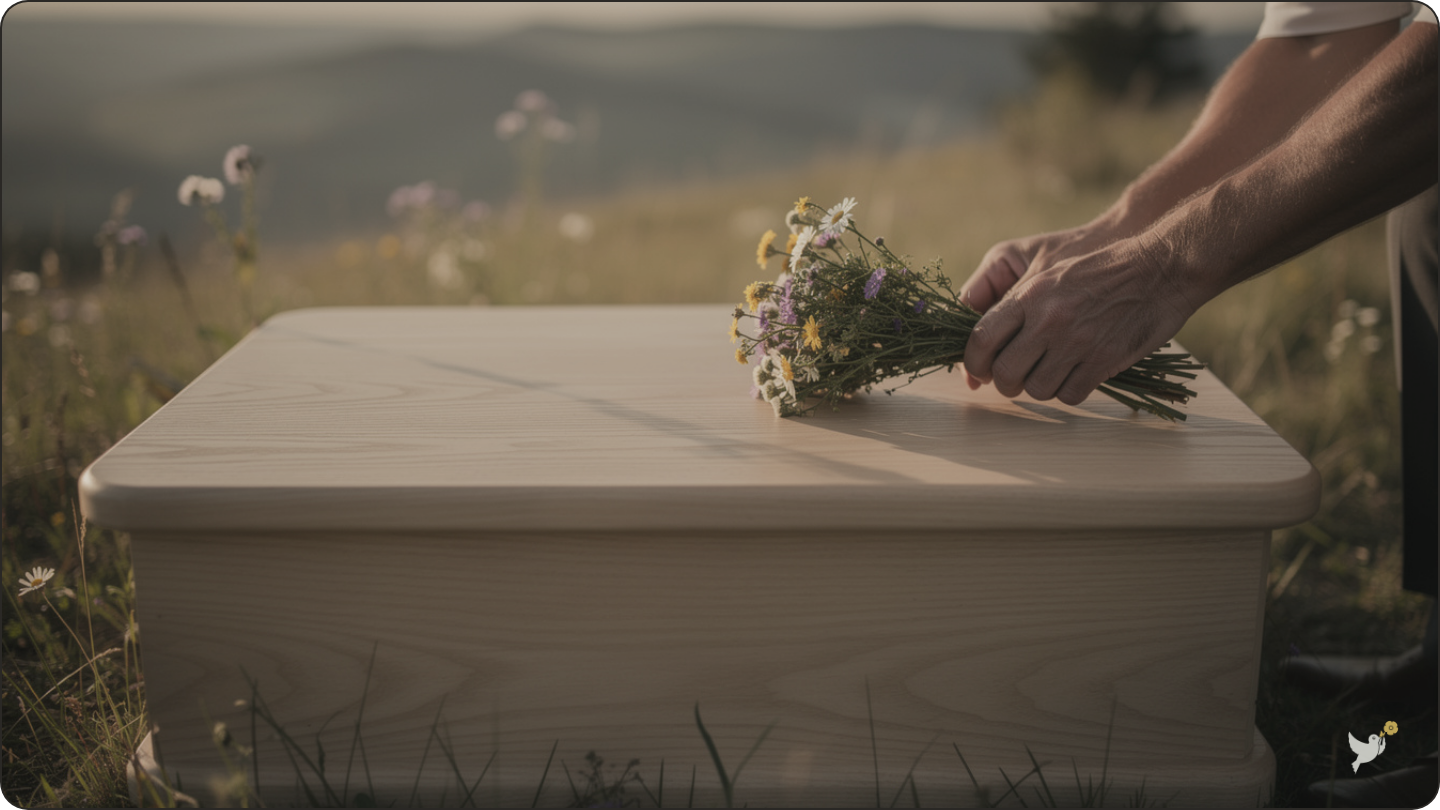
Green natural burial is a way of returning a body to the earth with as little environmental impact as possible. It skips embalming chemicals, metal caskets, and concrete vaults. Instead, the body is wrapped in a biodegradable shroud or placed in a simple wooden or wicker casket, then buried directly in the soil.
The goal is to let the body decompose naturally and return nutrients to the ground, much the way burial was practiced for most of human history before modern embalming and manufactured caskets became common in the twentieth century.
How It Differs From Conventional Burial
The difference between green and natural burial and a standard funeral home burial comes down to materials and process. Conventional burial often includes:
- Chemical embalming to preserve the body temporarily
- A metal or hardwood casket with synthetic liners
- A concrete or metal burial vault to support cemetery grounds equipment
- A manicured lawn-style cemetery that requires regular mowing, irrigation, and chemical treatment
Green burial removes most or all of these steps. Many people find this appealing because it feels simpler, costs less, and aligns with values around conservation and leaving a lighter footprint.
Green Funeral and Natural Burial Options to Consider
Not every green burial looks the same. Depending on your region and personal wishes, there are a few common paths families choose.
Hybrid Cemeteries
Some conventional cemeteries set aside a section for green burials. These hybrid grounds may still require a vault in certain areas but allow for burial without embalming or metal caskets in designated plots. This can be a good middle option if a family wants a traditional cemetery setting with greener practices.
Dedicated Natural Burial Grounds
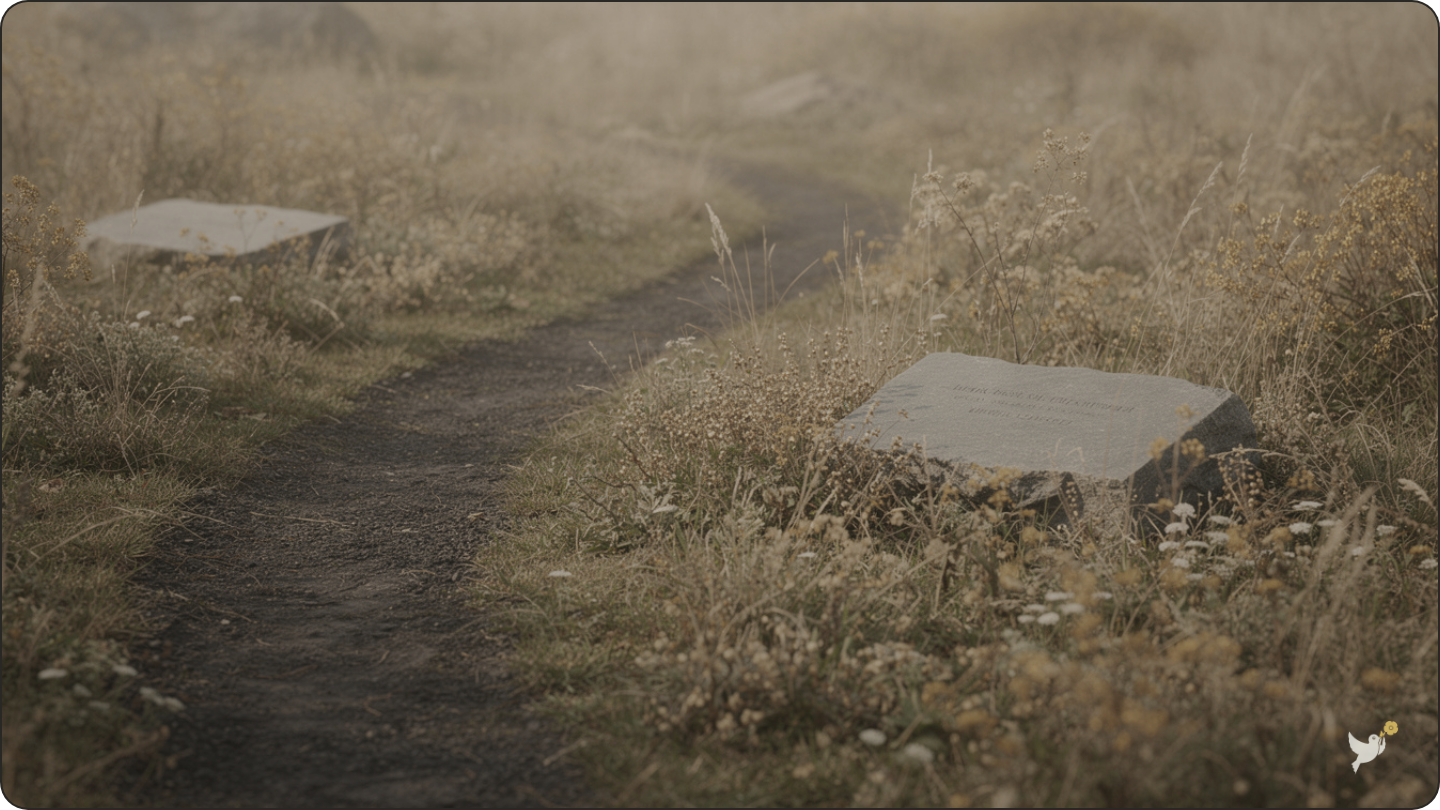
Dedicated natural cemeteries, sometimes called conservation burial grounds, are designed entirely around green principles. Many use native plants, meadows, or woodland settings instead of mowed lawns. Graves are often marked with a flat natural stone, a planted tree, or GPS coordinates rather than a traditional headstone. A well-known example of this approach is Green Acres natural burial ground, which many families research as they compare options in their area.
Conservation Burial Preserves
Some natural burial grounds partner with land trusts to protect the property permanently as green space. A portion of burial fees often goes toward land conservation, so the cemetery functions as both a resting place and a protected natural area for the community.
Finding Green Natural Burial Near Me
If you’re searching for a green natural burial near you, a few resources can help narrow the search without overwhelming you.
- Ask local funeral homes directly whether they offer green burial services or can refer you to one that does
- Search for conservation burial grounds or natural cemeteries in your state
- Check with state or regional green burial councils, which often maintain directories of approved providers
- Visit a location in person if possible, so you can see the grounds and ask staff questions about their practices
The Green Burial Council is a nonprofit organization that certifies cemeteries and providers who meet specific environmental standards. Their website can be a helpful starting point if you want to confirm that a provider’s green claims are backed by an actual certification process.
What Green Natural Burial Costs
One of the most common questions families ask is about green natural burial cost compared to conventional options. In general, green burial tends to be less expensive because it eliminates several line items.
Costs that are often reduced or removed entirely include:
- Embalming fees
- Metal or elaborate hardwood casket costs
- Burial vault fees
- Some cemetery maintenance fees, since natural grounds require less mowing and equipment
That said, total cost still varies widely by region, cemetery, and the specific services a family chooses. Some natural burial grounds charge plot fees similar to traditional cemeteries, especially if land conservation is part of the model. It’s worth asking for an itemized price list in writing from any provider you’re considering, the same way you would with a traditional funeral home.
For a broader look at typical funeral expenses and how families often cover them, our guide on funeral costs and how to pay walks through common payment options and questions to ask providers.
Questions to Ask a Green Burial Provider
Whether you’re planning ahead for yourself or helping a family member, a short list of questions can make conversations with providers much easier.
- Is this cemetery certified by a recognized green burial organization, and what does that certification require?
- What materials are allowed for caskets or shrouds?
- Is a vault or liner required in any part of the cemetery?
- How is the grave marked, and can family visit easily over time?
- What is included in the quoted price, and what might cost extra?
- Does the cemetery have long-term plans for land use or conservation?
Writing down the answers as you go can save a lot of stress later, especially if more than one family member is involved in the decision.
Planning Ahead for a Green Burial
If green burial feels right for you, documenting your wishes clearly is one of the kindest things you can do for the people who will carry them out. Consider including these details in your end-of-life planning documents:
- Your preference for green or natural burial, stated clearly in writing
- The name of a specific cemetery or burial ground, if you have one in mind
- Any preferences about shrouds, caskets, or grave markers
- Who should be contacted to arrange the burial
- How you’d like to fund the burial, including any prepaid arrangements
Sharing this information with your family now, rather than leaving them to guess later, removes a layer of uncertainty during an already difficult time. If you’re just starting to organize these kinds of wishes, our guide to end-of-life planning in your 40s offers a practical starting framework, even if you’re planning a bit earlier or later than that stage of life.
Many families also find it helpful to keep burial preferences alongside other important paperwork, obituary drafts, and account information in one organized place. The book I’m Dead, Now What? was created for exactly this kind of organizing, giving families a single, calm place to record wishes like these so nothing gets lost or forgotten.

A Note on Legal and Regional Differences
Burial practices, including what’s required or allowed, vary significantly by state and even by county. Some states have specific rules about embalming, transportation of remains, or who can legally perform burial services. Green burial grounds themselves set their own policies about caskets, shrouds, and vault requirements.
Because of this variation, it’s important to confirm details directly with a local funeral provider, cemetery, or your state’s health department before finalizing plans. The Centers for Disease Control and Prevention and individual state vital records offices can often clarify general requirements around death certificates and body transport, which are separate from but related to burial planning.
Bringing It All Together
Choosing a green natural burial is often less about following a trend and more about aligning final wishes with a life lived close to simplicity and care for the environment. Whether you’re drawn to a dedicated natural cemetery, a hybrid green section at a traditional cemetery, or a conservation burial preserve, the most important step is simply starting the conversation.
Take it one step at a time. Research a provider, ask a few questions, write down what matters most to you, and share it with the people who will need that information someday. That quiet act of preparation is a real gift to the people you love.
This article is for general informational purposes only and is not legal, financial, tax, or medical advice. Rules vary by state and change over time; please consult a qualified professional about your specific situation.
Frequently asked questions
What is the difference between green and natural burial?
In everyday use, the terms are mostly interchangeable, both describing burial without embalming, metal caskets, or concrete vaults. Some providers use ‘natural burial’ to describe dedicated conservation grounds and ‘green burial’ as a broader category that can include green sections within conventional cemeteries.
How much does a green natural burial cost?
Costs vary by region and provider, but green burial is often less expensive than conventional burial because it typically eliminates embalming fees, metal casket costs, and vault fees. It’s best to request an itemized price list from any cemetery or funeral home you’re considering.
Is embalming required for green burial?
No, embalming is generally not required by law in most states for burial within a reasonable time frame, and most green burial grounds do not allow chemical embalming. Some may permit natural, non-chemical preservation methods like refrigeration.
How do I find a green burial ground near me?
Start by asking local funeral homes if they offer or can refer you to green burial services, searching for conservation or natural cemeteries in your state, and checking directories maintained by nonprofit green burial certification organizations.
Can I plan a green burial in advance?
Yes, many people document their green burial preferences as part of their broader end-of-life planning, including which cemetery they prefer, casket or shroud choices, and how the arrangements should be funded.